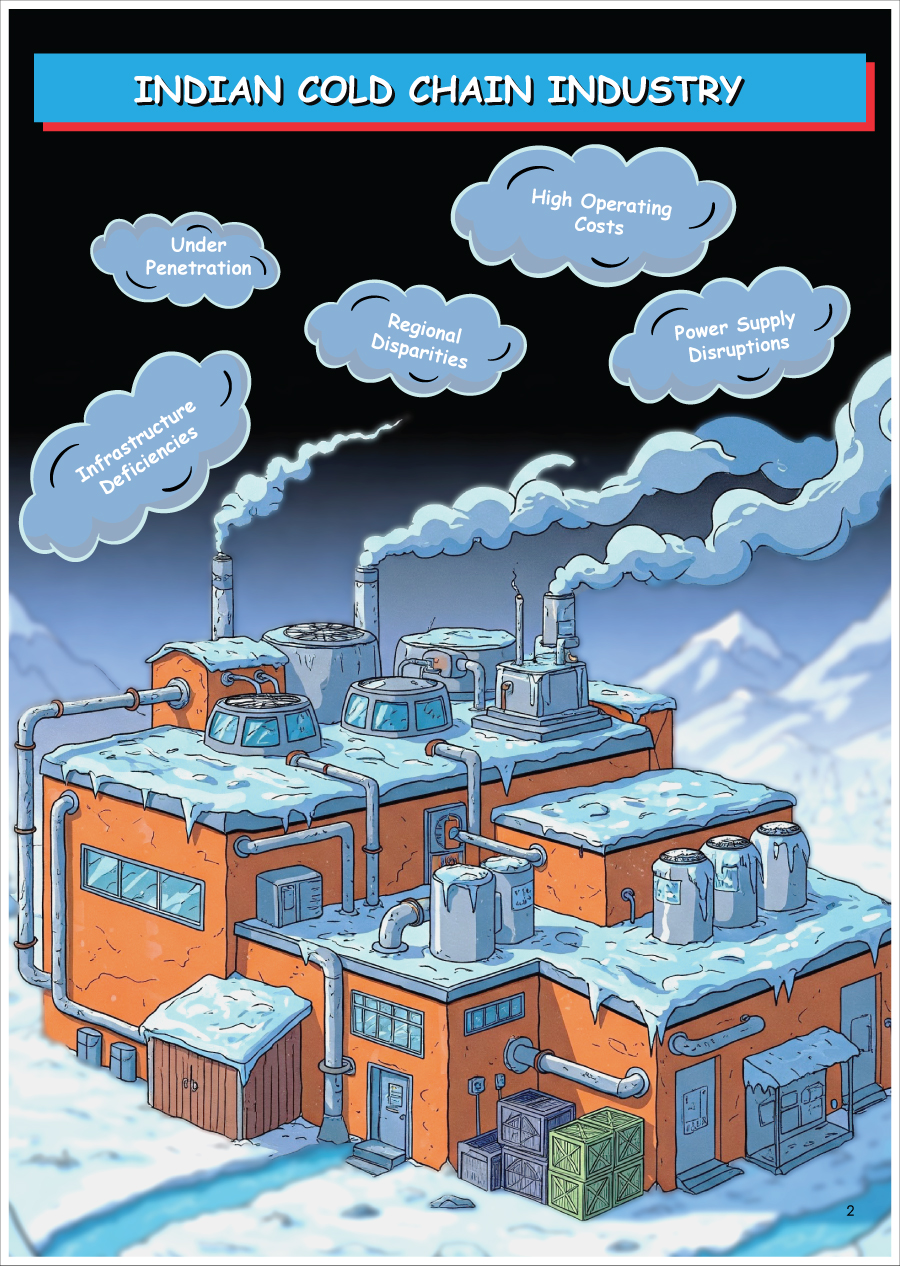
Industry is extremely fragmented unlike in developed markets
The Indian cold chain industry remains in a developing stage, characterized by fragmentation, under-penetration, and a lack of standardization. Despite its critical role in reducing food wastage and supporting agriculture, food processing, and pharmaceuticals, structural inefficiencies hinder its growth:
Infrastructure Deficiencies – Over 90% of cold storage facilities are privately owned and lack standardization, with many dedicated to single commodities like potatoes. This limits multi-purpose storage for perishables such as fruits, vegetables, dairy, seafood, and pharmaceuticals.
Underpenetration – Less than 5% of perishable goods in India are pre-cooled or transported in temperature-controlled environments, leading to high spoilage rates and reduced product quality, particularly for dairy, meat, and pharmaceuticals. The absence of pre-cooling infrastructure further weakens supply chain efficiency.
Regional Disparities – Cold storage facilities are concentrated in just four states—Uttar Pradesh, Gujarat, West Bengal, and Punjab—accounting for 60% of total capacity. Central and southern India remain underserved, exacerbating food wastage and supply-demand imbalances.
Market Concentration – The U.S. cold chain is dominated by a few key large players with revenues in the range of $1 billion to $5 billion; These include companies like Americold Logistics, Burris Logistics, Wabash National Corporation, United States Cold Storage Inc. and Lineage Logistics. These companies operate nationwide cold storage networks with integrated supply chains, ensuring seamless logistics and operational efficiency.
Technology Adoption – A major driver of growth in the U.S. cold chain is the increasing penetration of IoT and sensor-based technologies. These innovations enable real-time temperature monitoring, predictive maintenance, and automation, improving efficiency and unlocking new market opportunities.
Regulatory Standards – The U.S. enforces strict regulations through authoritative bodies like the FDA, USDA, and FSMA, ensuring consistent temperature control and hygiene compliance. In contrast, India faces enforcement challenges, though FSSAI is gradually implementing stricter policies.
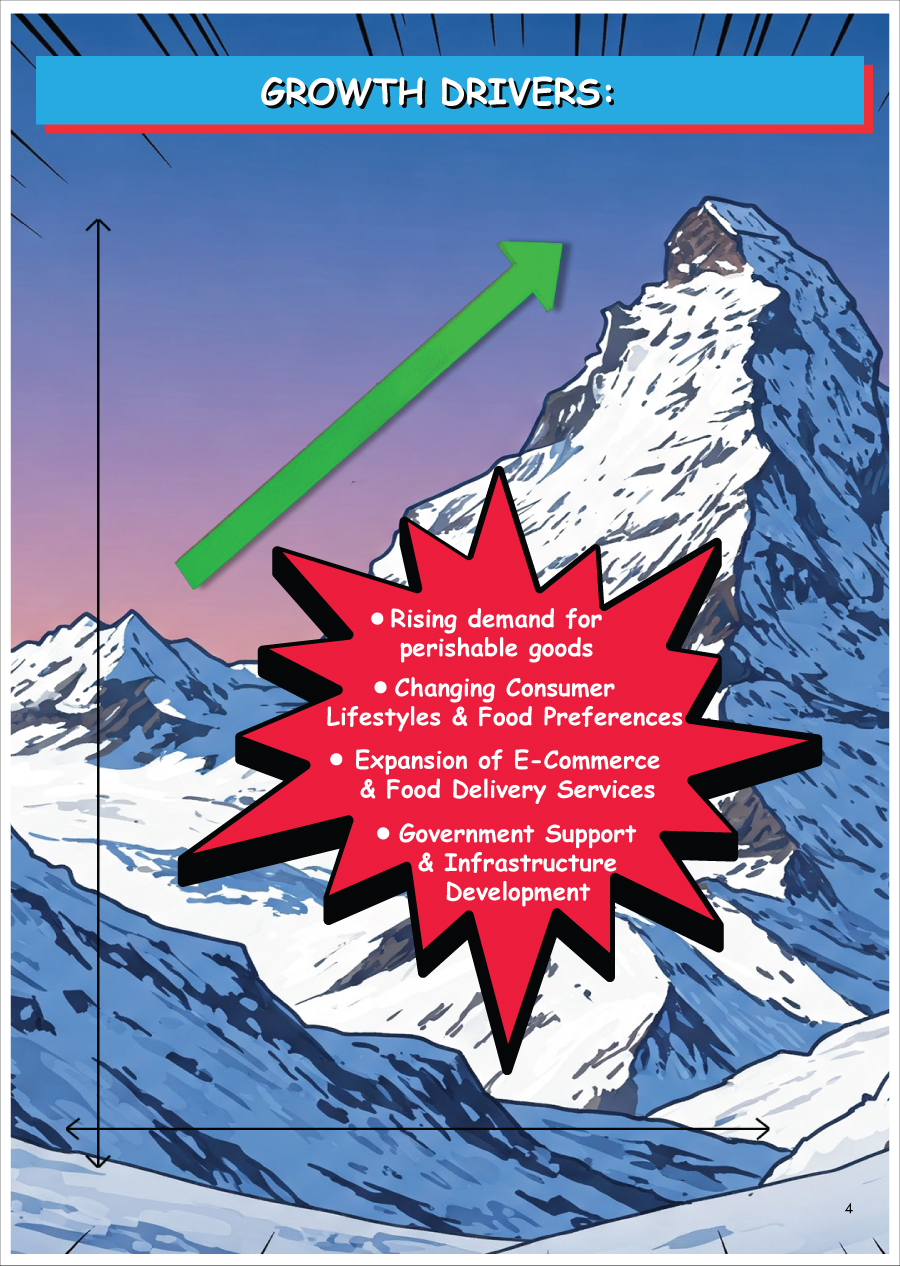
Industry size to more than double by 2032 to US$ 65bn
India’s cold chain market, valued at INR 2,052 billion in 2023, is projected to grow at a CAGR of 11.4%, reaching INR 5,596 billion (~US$ 65 billion) by 2032. Key growth drivers include:
Rising Demand for Perishables - Urbanization and changing diets are increasing demand for fresh dairy, fruits, vegetables, and meat, requiring robust cold storage and transportation.
Shift Toward Convenience Foods - Busy lifestyles and dual-income households are driving demand for frozen and ready-to-eat foods, necessitating efficient cold chain solutions.
E-Commerce & Food Delivery Growth - Online grocery and food delivery services are fueling investments in advanced cold storage and temperature-controlled logistics.
Government Support – Initiatives like the Pradhan Mantri Kisan SAMPADA Yojana (PMKSY) and the Mission for Integrated Development of Horticulture (MIDH) are expanding cold storage infrastructure, improving supply chains, and reducing food wastage.
Key Applications
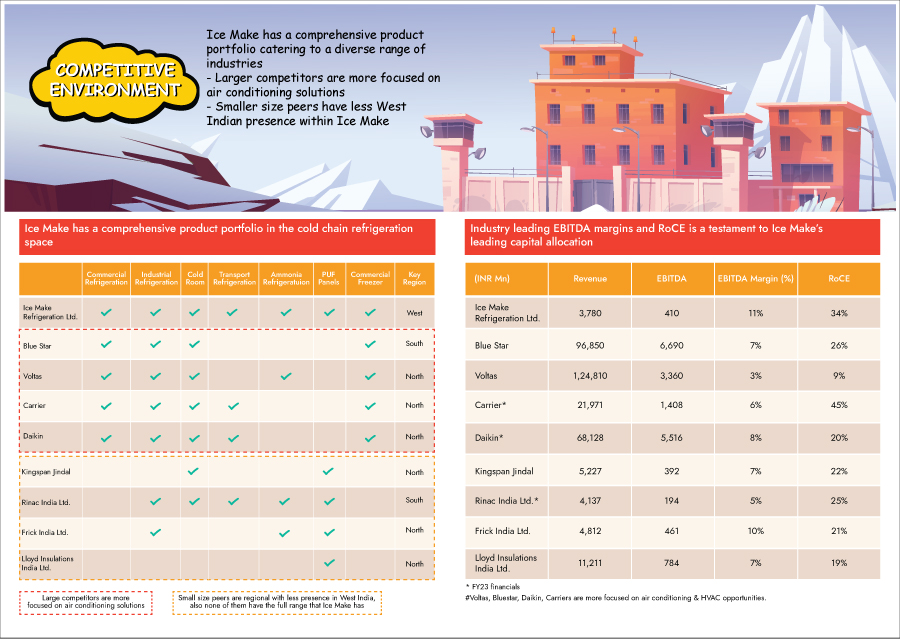
The Indian cold chain industry lacks a comprehensive, one-stop solution provider for essential cold storage products. Ice Make, with its diverse range of offerings—including Cold Storage Rooms, Commercial Refrigeration, Industrial Refrigeration, Transport Refrigeration, and Ammonia Refrigeration—is strategically positioned to bridge this gap. By catering to the varied needs of the industry, Ice Make has the potential to emerge as a key player in strengthening India’s cold chain infrastructure.

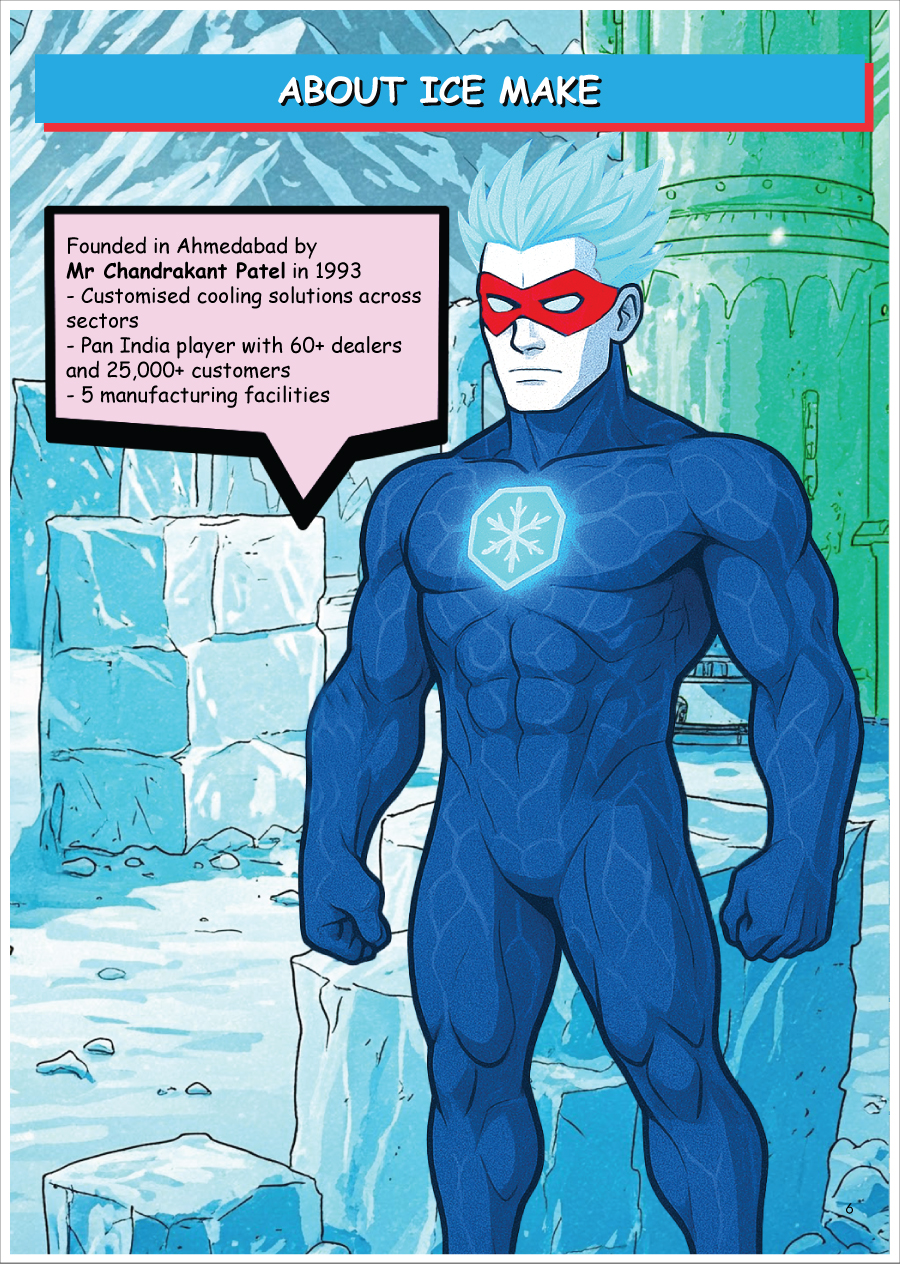
About Ice Make:
Founded in 1993 in Ahmedabad, Gujarat, by Mr. Chandrakant Patel, Ice Make Refrigeration Ltd. has grown from a small-scale manufacturer into a leading player in India's industrial and commercial refrigeration sector. With a pan-India presence, it operates through a network of over 60 dealers and has served more than 25,000 customers, reinforcing its reputation for reliability and innovation. The company provides customized cooling solutions across diverse sectors, including dairy, food processing, pharmaceuticals, agriculture, cold chain logistics, hospitality, retail, e-commerce, and logistics.
Expanding beyond India, Ice Make now operates in 24 countries and has established five advanced manufacturing facilities—three in Gujarat, one in Tamil Nadu, and one in West Bengal—strategically positioned for efficient logistics and optimized cold storage solutions. These state-of-the-art facilities, equipped with cutting-edge technology and stringent quality control systems, ensure seamless production and distribution of temperature-sensitive goods.
With a strong commitment to sustainability, energy efficiency, and innovation, Ice Make continues to lead the cold chain and refrigeration industry, delivering high-performance solutions to businesses across India and globally.
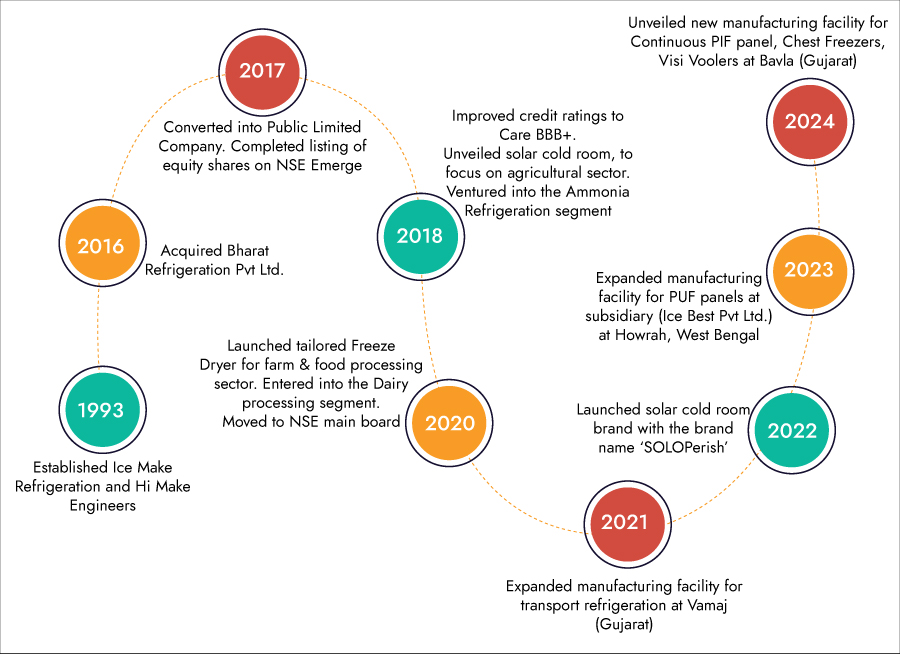
Timeline for Ice Make

Esteemed client base
1766551791624.jpg)
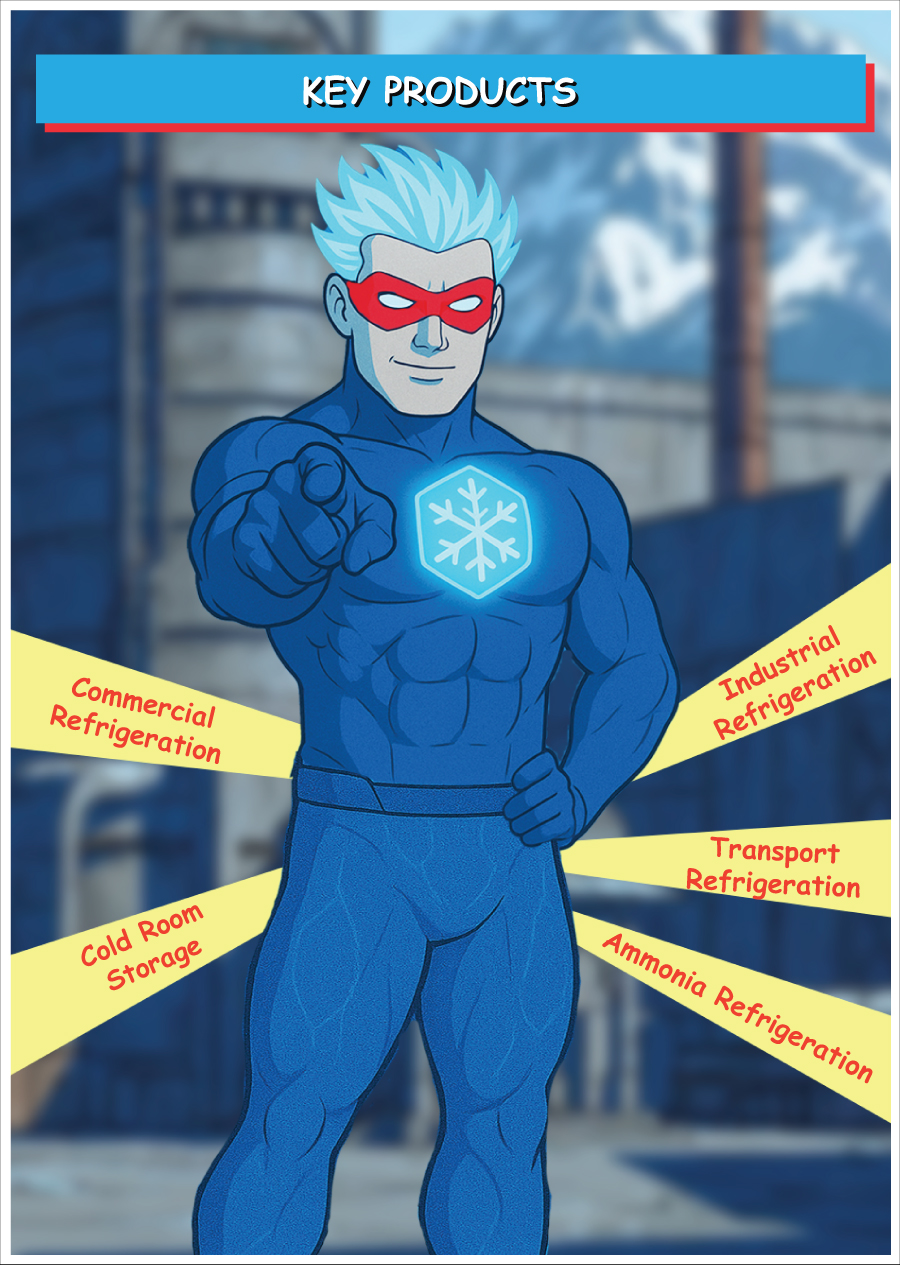
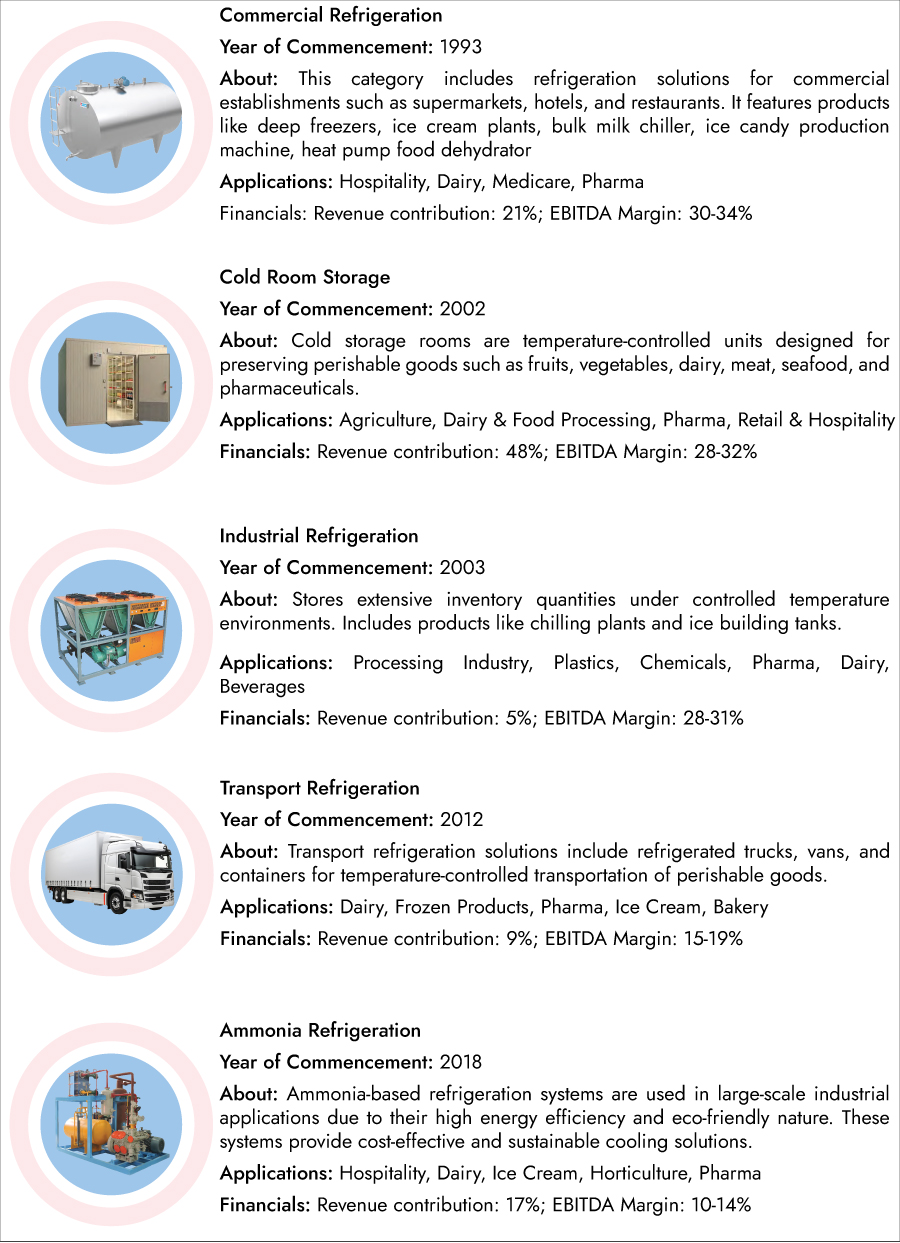
Core Product Portfolio

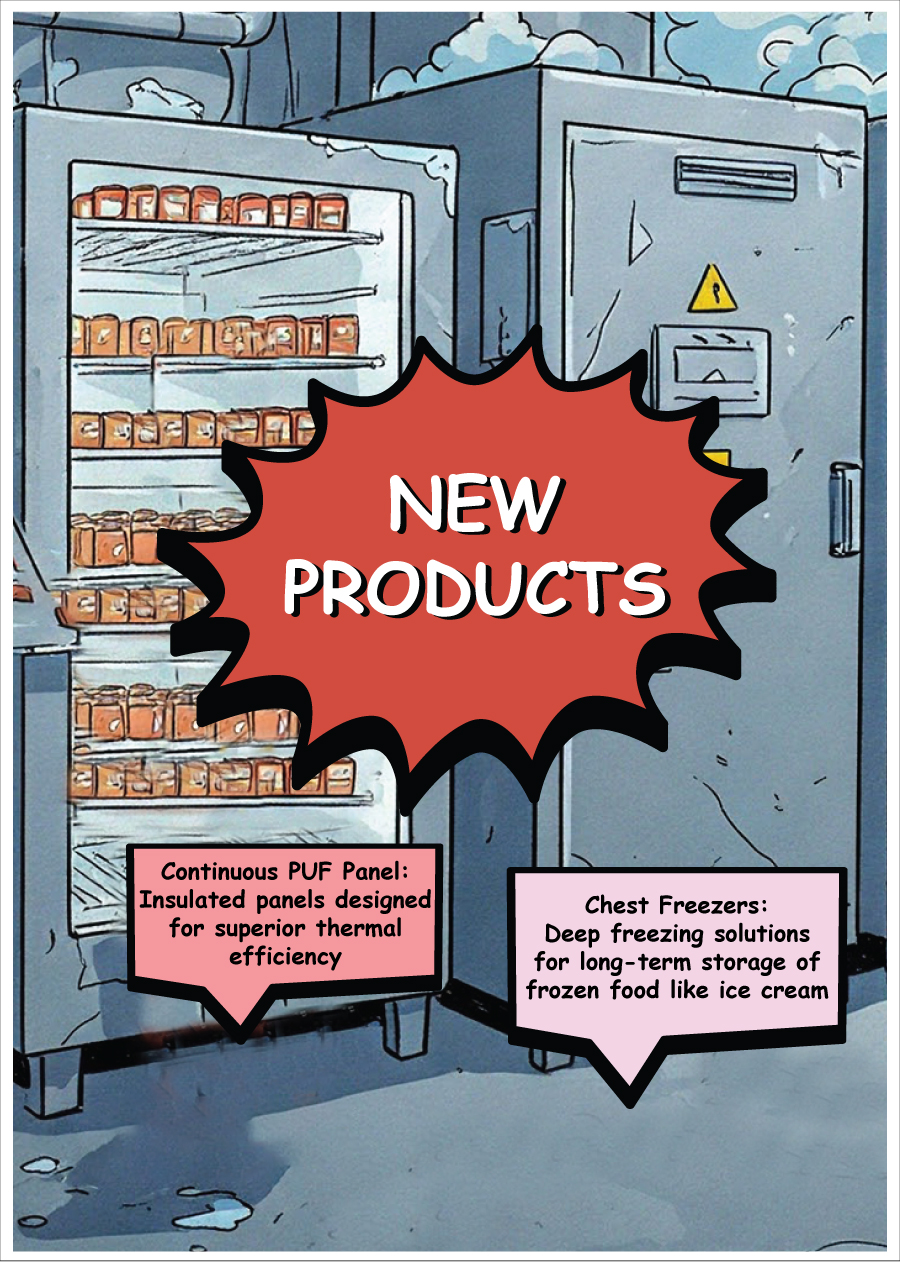
Ice Make has improved TAM by 2.5x through the advent of new products
Ice Make Refrigeration recently completed a capex of INR 1 billion, which included manufacturing plants of continuous PUF panel and commercial refrigeration products such as visi coolers and chest freezers. This capex has increased the TAM for Ice Make’s products from INR 60 billion to INR 150 billion.
Continuous PUF Panel
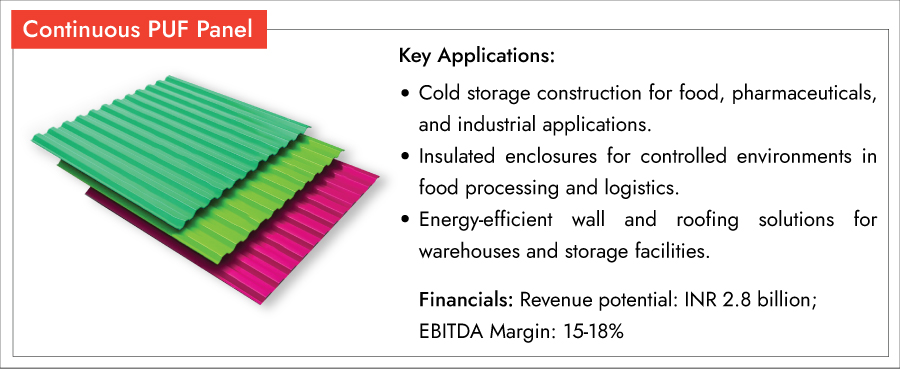
Key Applications:
- Cold storage construction for food, pharmaceuticals, and industrial applications.
- Insulated enclosures for controlled environments in food processing and logistics.
- Energy-efficient wall and roofing solutions for warehouses and storage facilities.
1766551930357.jpg)


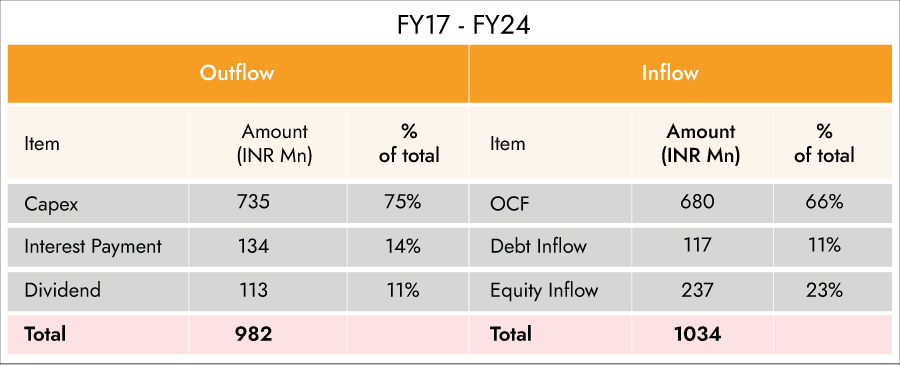
Efficient capital allocator – sustaining investments through accruals
Source: Ambit Asset Management
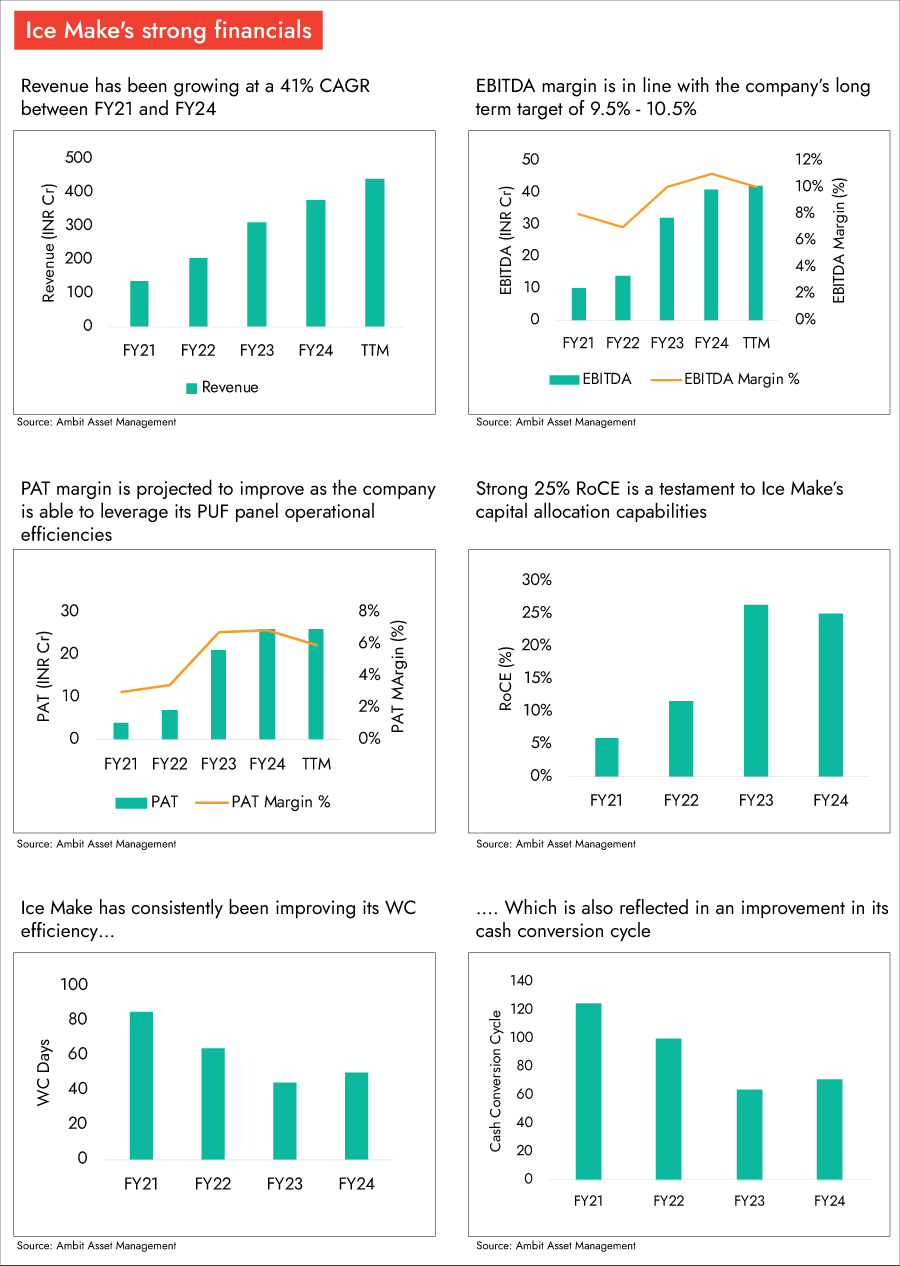
Ice make has been a very efficient capital allocator as seen from the table above. Out of the total capex incurred over FY17 to FY24 ~70% has been funded through internal accruals (OCF), a strong positive indicator of financial health.
Efficient capital allocation is one of the secret sauces for companies to become bigger given it allows to (a) navigate recessionary periods where cash crunch can impact businesses; (b) have consistent growth vs several companies which during growth phases see significant volatility in growth and (c) maintain good RoCE on a consistent basis which is a big driver of re-rating in valuation multiples.

Margins to expand led by operating leverage and backward integration
Backward Integration: Backward integration into continuous PUF panel manufacturing will help reduce reliance on third-party suppliers thereby ensuring better quality, price stability, and timely availability. More importantly it will lower procurement costs and minimize risks from raw material fluctuations. By integrating PUF panel production with Cold Room Refrigeration, Ice Make delivers more efficient, durable, and cost-effective solutions. In-house production enables greater design flexibility and customization for industries like food processing, pharmaceuticals, and logistics. We believe this will go a long way in making Ice Make more competitive in bidding for large tenders.
Automated Production: Ice Make’s automated continuous PUF panel plant enhances efficiency by minimizing waste, increasing productivity, and ensuring precision in manufacturing. Automation streamlines production, reduces errors, and optimizes raw material usage, resulting in higher output, lower costs, and superior product quality.
Operating Leverage: Given the high automation and minimal labor dependency in PUF panel manufacturing, the plant is well-positioned to benefit from strong operating leverage.
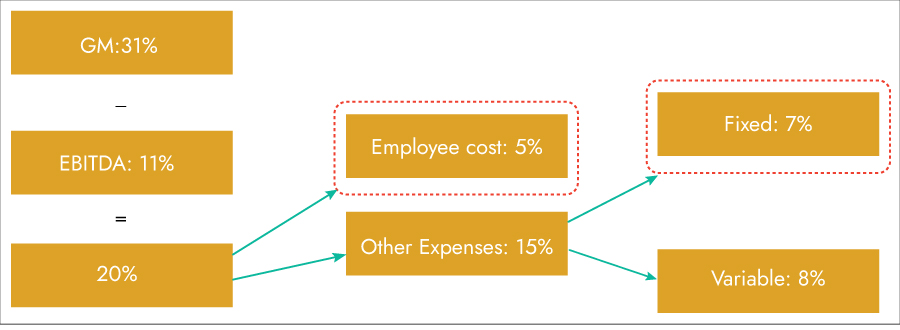
As highlighted in red, ~12% of costs as a percentage of revenue are fixed and present an opportunity for operating leverage, allowing for higher profitability. The company has a target revenue of INR 10 billion by FY28, implying a ~25% growth over the next 3 years. Assuming a 20% growth in the fixed expenses vs 25% growth in revenue, the EBITDA margin has the potential to expand by ~3% points by FY28.
Ammonia Refrigeration business is at an inflection point
Cost & Environmental Benefits: Ammonia refrigeration is a cost-effective, eco-friendly alternative to synthetic refrigerants, offering higher energy efficiency, zero GWP, and zero ODP. With tightening regulations on HFCs and HCFCs, Ice Make is well-positioned to capitalize on the industry's shift toward
natural refrigerants.
Credibility Building Phase (5–6 Years): Industrial clients prioritize proven execution, reliability, and safety compliance. Ice Make is accelerating credibility through R&D, workforce training, and successful project execution, ensuring long-term customer trust and reducing acquisition costs.
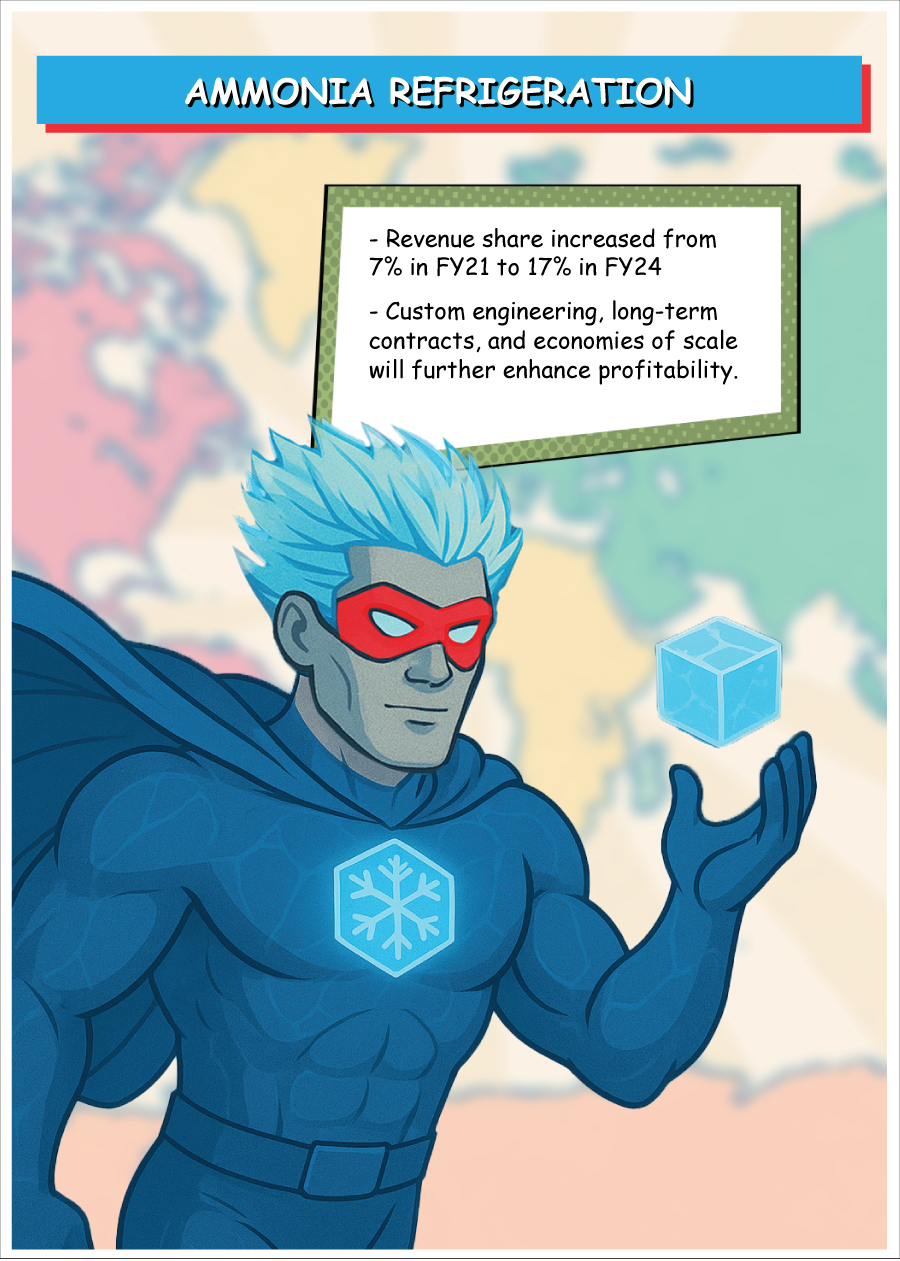
Margin Expansion Potential: As Ice Make strengthens its industry standing, it can command premium pricing, driving EBITDA margin growth. Custom engineering, long-term contracts, and economies of scale will further enhance profitability.
Revenue Growth & Market Penetration: The ammonia segment’s contribution grew from 7% in FY21 to 17% in FY24, reflecting rising demand. Ice Make is scaling operations through capacity expansion, enhanced after-sales service, and technological advancements, positioning itself for sustained growth in industrial refrigeration.
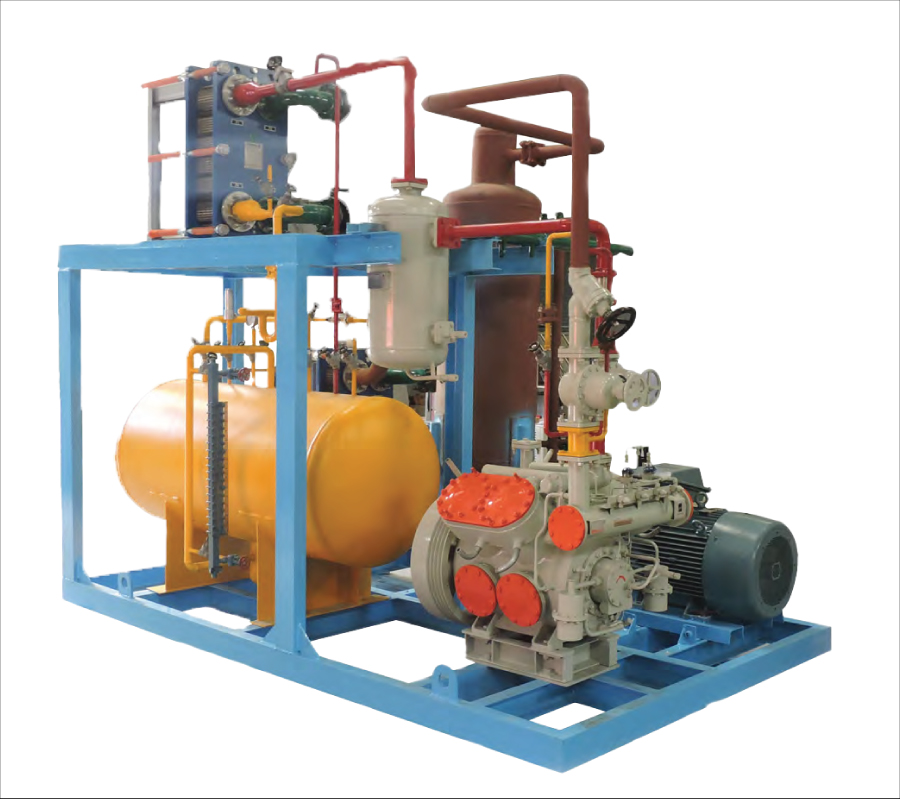
Ammonia Refrigeration components include products like glycol & water chiller
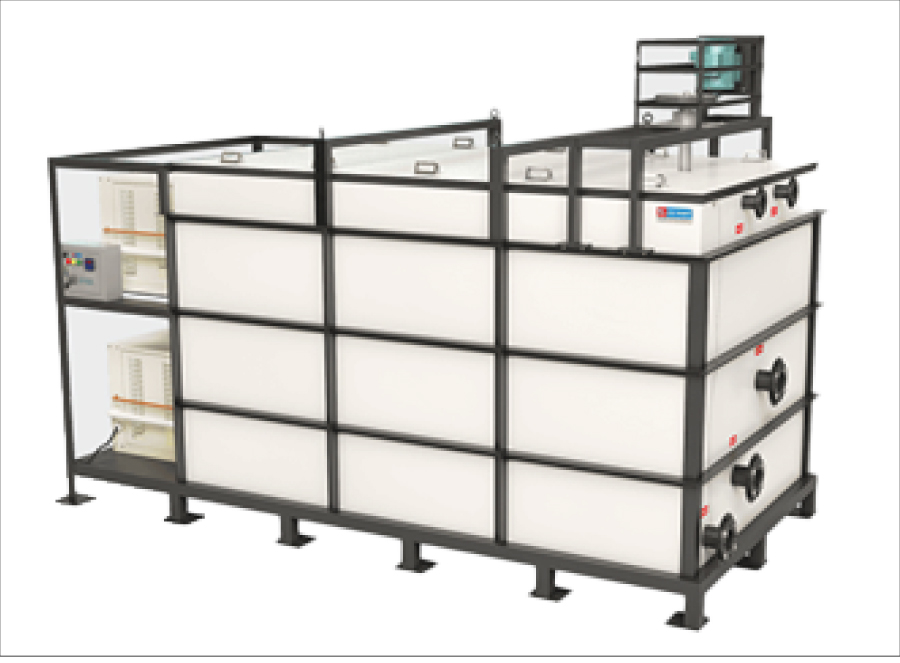
… and Ice Building Tank
The market view on Ammonia Refrigeration is a positive one. Both GEA Group and Frick India Limited, which operate in the Ammonia refrigeration segment in India, have emphasized the ESG benefits of ammonia as compared to other refrigerants since it does not contribute to ozone depletion or global warming.